Sweet Security Disaster: How I Could Verify Any Account on a Dessert Website 🍦
On this page
This write-up has been prepared under the guidance of Amish Patel, Lay Patel at Hacker4Help as part of our learning initiative on cybersecurity awareness.
Me, enjoying sweets while finding security holes…
The Setup: Just Browsing Some Desserts…
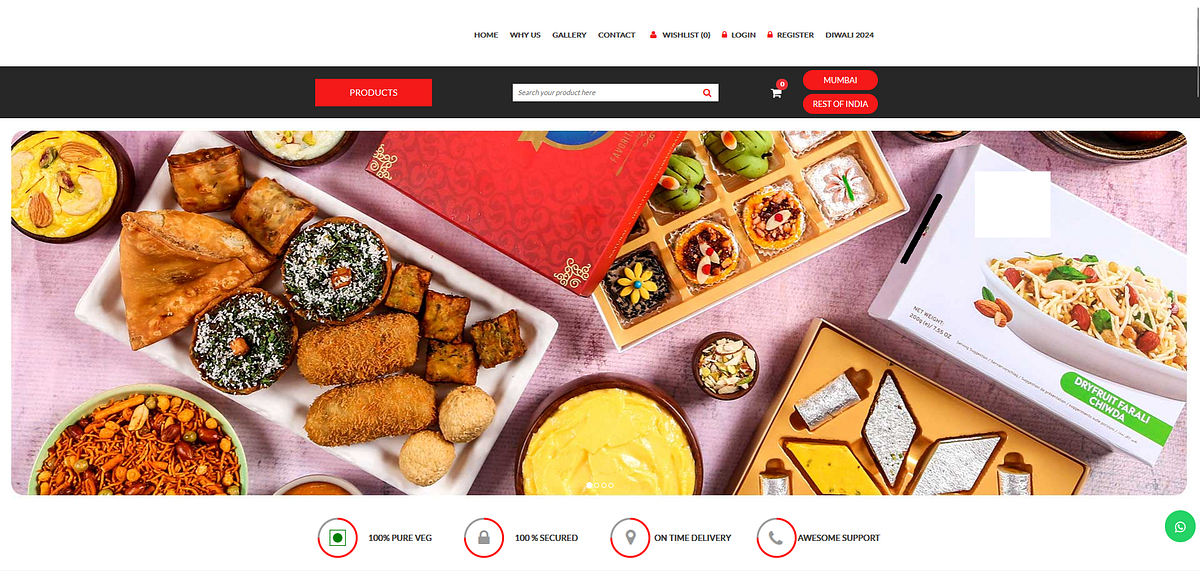
What started as casual browsing on a traditional sweets website turned into an unexpected security adventure. Recently, I was looking through a popular dessert website (which shall remain unnamed for security reasons) and decided to create an account just to explore their offerings. Like most of us, I was just satisfying my curiosity about their sweet selection, not looking for security vulnerabilities.
The Discovery: Wait, What’s This URL?
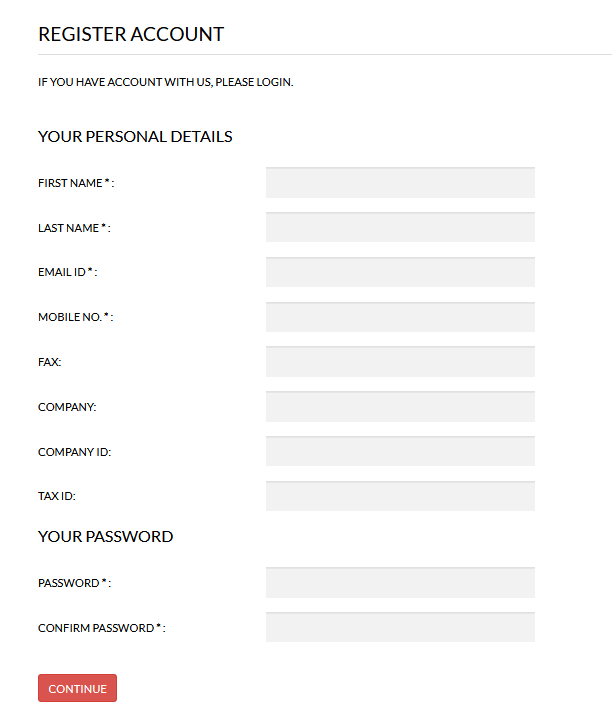
After filling out the standard sign-up form with my email and password, I received a verification email as expected. Nothing unusual so far.
Used an Temp mail to create an account and received an email contained a friendly welcome message and a verification link that looked something like this:
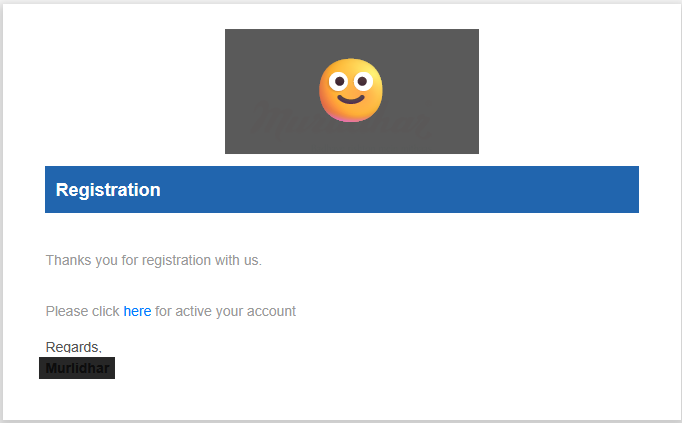
I have blurred the logo and removed the details as the bug is still not reported.
https://example-sweets.com//activeaccount.php?e=aGVzaXQ3MjM2N0BtYWdwaXQuY29t

Being naturally curious (or nosy, depending on who you ask), I noticed something interesting about that link. The parameter e=aGVzaXQ3MjM2N0BtYWdwaXQuY29t caught my attention.
The Experiment: Let’s Decode This…
That string after the e= parameter looked familiar. With my limited but enthusiastic knowledge of web security, I recognized it as Base64 encoding. So I decided to decode it:
aGVzaXQ3MjM2N0BtYWdwaXQuY29t → hesit72367@magpit.com
Well, well, well! That’s just my temp email address encoded in Base64. Now things were getting interesting.

The Vulnerability: Security More Flaky Than Their Sweets
Here’s where it gets concerning. If the verification system only checks for a Base64-encoded email in the URL, what’s stopping anyone from:
- Creating an account with ANY email address
- Intercepting the verification link
- Changing the Base64-encoded email to activate ANY account
This means I could potentially:
- Create accounts for emails I don’t own
- Take over accounts that haven’t been verified yet
- Generally cause sweet, sweet chaos
The Impact: Not Just About Sweets Anymore
While this might seem like a small issue on a dessert website, the implications can be serious:
- Identity verification is completely bypassed
- Users could impersonate others
- Account security is compromised
- Customer data could potentially be at risk
Conclusion: Security Is Like a Good Recipe
This simple case demonstrates that security, like baking, requires attention to detail. A small mistake in the recipe can lead to the whole batch being compromised.
For developers, especially those handling user accounts, remember that Base64 is NOT encryption — it’s just encoding that anyone can easily reverse. Never use it for security purposes!
For users, this is a reminder that even the sweetest websites might have bitter security issues.
Security should be baked in, not added as frosting